Raw Deal
The cover that shocked America, got recalled within days, and became the most valuable Beatles collectible in existence.


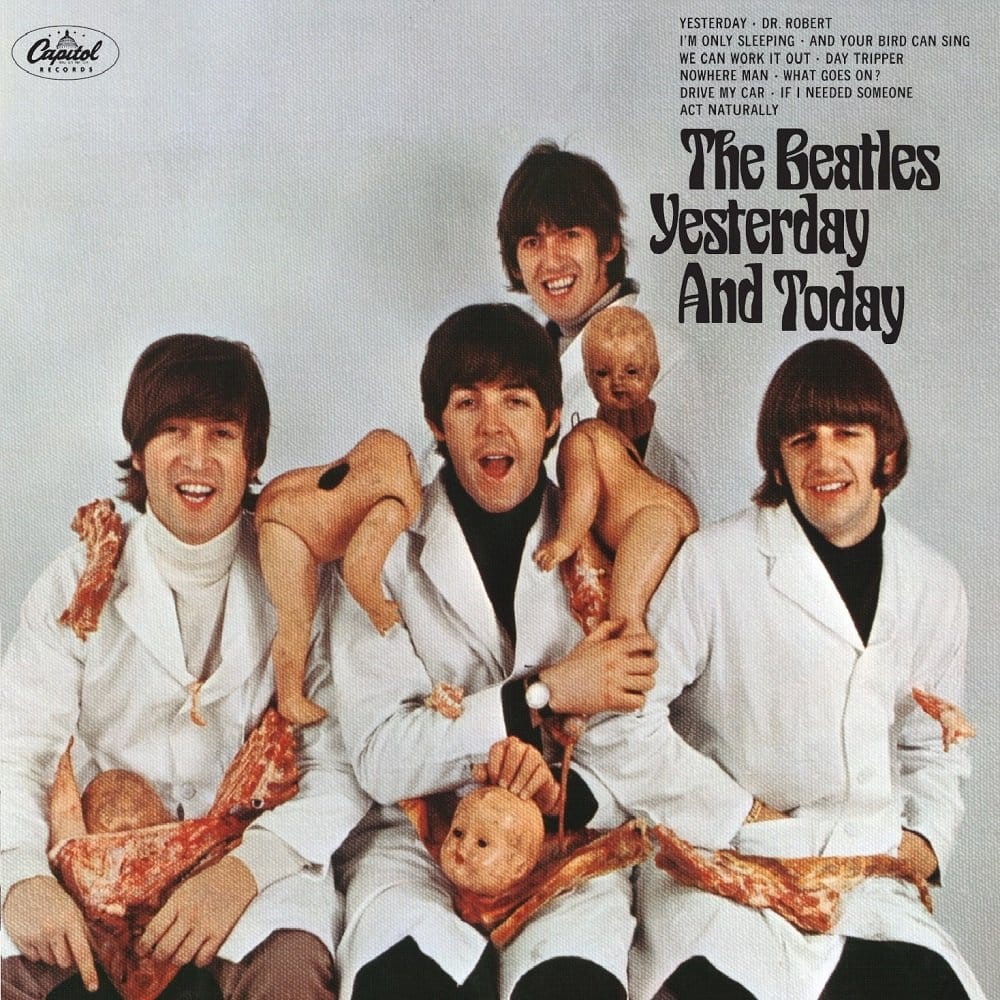
When I first came across the cover of Yesterday and Today by The Beatles I genuinely thought it was a bootleg. It didn't look like a Beatles cover. It didn't feel like a Beatles cover. Four men in white smocks, grinning like schoolboys, draped in raw meat and dismembered baby dolls. I assumed someone had mocked it up. A joke. A complete fake.
It is not a fake.
It is one of the most controversial, most valuable, and most fascinating album covers in the history of recorded music.
Album Anatomy
| Album | Yesterday and Today |
| Artist | The Beatles |
| Released | 15 June 1966 |
| Label | Capitol Records |
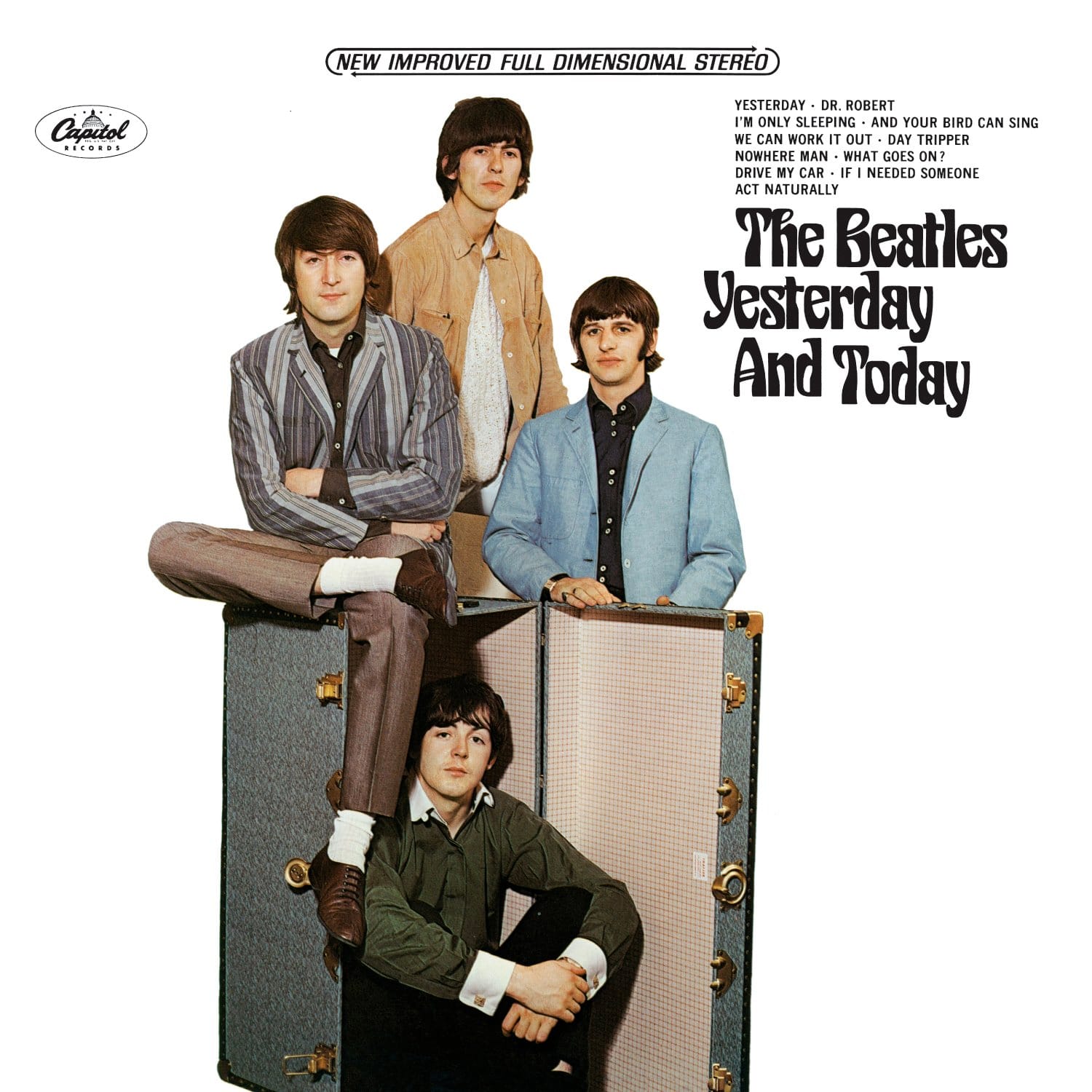
| On the cover | The band in white butcher smocks, grinning, draped in raw meat and dismembered baby doll parts; the "Butcher Cover," recalled within days and replaced with a photo of the band around a steamer trunk |
| Design | Photography by Robert Whitaker |
| Decade | 1960s |
The Album Nobody Outside America Knew About
First things first. Yesterday and Today was released only in the United States and Canada in June 1966. If you grew up outside North America, you almost certainly never encountered it in a record shop. This is why it has that bootleg quality, because for most of the world, it simply didn't exist.
Before 1967, Capitol Records repeatedly configured Beatles releases differently for the North American market, holding back tracks from UK releases to spread them across more albums and generate additional revenue. Yesterday and Today was a classic example. A collection of songs stitched together from Help!, Rubber Soul and tracks that would later appear on Revolver, packaged as a standalone album purely for commercial reasons.
The Beatles were not happy about this practice. And that frustration, some argue, is precisely what the cover was about.
The Photographer With A Vision
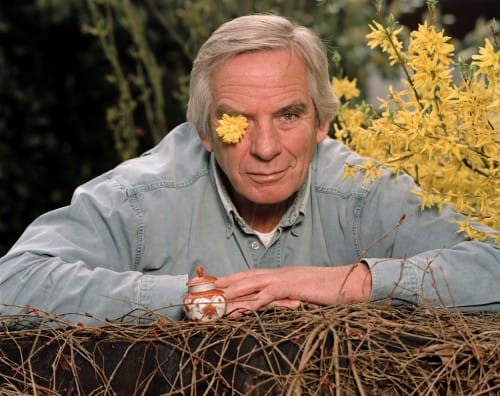
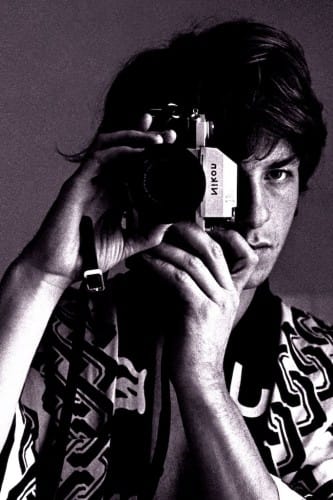
The image was the brainchild of Robert Whitaker, a 26 year old Australian photographer whose dark humour and love of the surreal made him one of the band's favourite cameramen.
On 25 March 1966, Whitaker hosted a photo session with the Beatles at his studio in Chelsea. Having spent three months away from the public eye, the band members had expanded their interests and were eager to depart from the formula imposed on them as pop stars. Whitaker similarly had ambitions that the session should break new ground; he planned a conceptual art piece titled A Somnambulant Adventure, conceived as a comment on the Beatles' fame.
Whitaker assembled props including plastic doll parts, trays of meat, white butchers' coats, a hammer and nails, a birdcage, cardboard boxes, and sets of false teeth and eyes. The Beatles, tired of the usual photo shoots and finding the concept compatible with their own black humour, played along willingly.
Crucially, none of these photos were taken with the intention of using them for an album cover. They were part of a larger artistic statement on fame and idol worship. Whitaker had no idea what he had inadvertently set in motion.
Rob Whitaker
How It Ended Up On The Cover
A few months after the shoot, Capitol Records began assembling Yesterday and Today. The Beatles' management submitted photographs from Whitaker's session for consideration and one of them was chosen.
Lennon, in an interview shortly before his death in 1980, said the shot was "inspired by our boredom and resentment at having to do another photo session and another Beatles thing." He also made his feelings about the controversy clear. Lennon said the butcher sleeve was "as relevant as Vietnam", adding that "if the public can accept something as cruel as the war, they can accept this cover." McCartney called their critics "soft."
The cover was, depending on who you believe, a comment on the Vietnam War, a protest against Capitol Records butchering their album releases for profit, or simply a piece of surrealist art that got wildly misread. Whitaker himself called the Capitol protest theory "rubbish. Absolute nonsense."
The truth is probably all three, and none of them. It was a photograph taken in a spirit of creative rebellion by four young men who were exhausted by their own fame, repurposed as an album cover, and unleashed on an unsuspecting public.
The Recall
The backlash was immediate. Capitol Records sent a statement to reviewers explaining that the cover design was "subject to misinterpretation" and that to "avoid any possible controversy or undeserved harm to the Beatles' image or reputation" they had chosen to withdraw the LP and substitute a more generally acceptable design.
What followed was one of the most expensive damage control operations in music industry history. A special staff spent one weekend extracting each of the 750,000 discs from its Butcher sleeve, at a cost of $200,000. A new cover, a perfectly ordinary photograph of the band gathered around a steamer trunk, also taken by Whitaker was hastily substituted.
Tens of thousands of already printed covers were sent to a landfill, at least 50,000 of them ended up in a deep watery pit that was filled with earth over one weekend at the end of June 1966.
To save money, many copies simply had the new trunk image pasted directly over the original butcher cover. Which, as it turned out, was a decision that would haunt Capitol for decades.
The Collectors' Holy Grail
Since some of Capitol's pressing plants merely pasted the trunk image onto the existing LP covers, the album encouraged a phenomenon of stripping back the top layer of artwork in the search for a banned butcher cover underneath. Fans with a copy of the trunk version began carefully steaming and peeling back the pasted image and sometimes finding the butcher cover perfectly preserved beneath.
Yesterday and Today was the only Beatles record to lose money for Capitol. The irony being that the cover which cost them $200,000 to recall ultimately created the most valuable Beatles collectible in existence.
In 1987, Alan Livingston, then president of Capitol Records, released for sale 24 first state butcher covers from his private collection; albums he had taken from the warehouse before they were pasted over and kept in a closet at his home. These so called Livingston Butchers today command premium prices among collectors, the five stereo versions being the most rare and valuable. In 2006, one sealed mono copy sold at auction for close to $39,000.
What The Band Actually Thought
The Beatles themselves were divided. Harrison later dismissed the butcher cover as "gross" and "stupid", adding: "Sometimes we all did stupid things thinking it was cool and hip when it was naïve and dumb; and that was one of them."
Lennon, characteristically, was more defiant (at least initially). When interviewed during the band's 1966 US tour, however, he called the image "unsubtle", and said he and Harrison might have fought the recall decision had the photo been better.
McCartney has largely stayed quiet on the subject over the years. Which, given his initial response of calling the critics "soft," is perhaps its own kind of answer.
What It Actually Means
Here is the thing about the butcher cover. Strip away the controversy, the recall, the collectors' market, and the mythology and you're left with a photograph of four young men who were suffocating under the weight of their own fame, reaching for something that felt honest and real and deliberately uncomfortable.
They were The Beatles. They could do anything. And what they chose to do, in the spring of 1966, was put on butcher's coats and stare down the camera with raw meat in their hands.
Was it gross? Probably. Was it stupid? Maybe. Was it naïve? Possibly. Was it funny? I think so.
However, it was also brave. And it was real. And fifty years later it remains the most talked about, most sought after, and most misunderstood album cover The Beatles ever made.
I still think it looks like a bootleg.


